Is Bread Vegan? Most of It Is, But Here's What to Watch
In this guide6
Short answer? Most bread is vegan. A basic loaf is just flour, water, yeast, and salt. The exceptions are enriched breads (brioche, challah, milk bread) and a few sneaky additives, which is exactly what trips people up.
I became a vegan in my early twenties and spent the first week convinced I had to give up toast. This felt catastrophic. Then I actually read a bread label, saw flour, water, yeast, salt, and realized I had panicked for nothing.
But then I read the label on a brioche bun. Different story entirely.
The baseline: yes, bread is mostly vegan
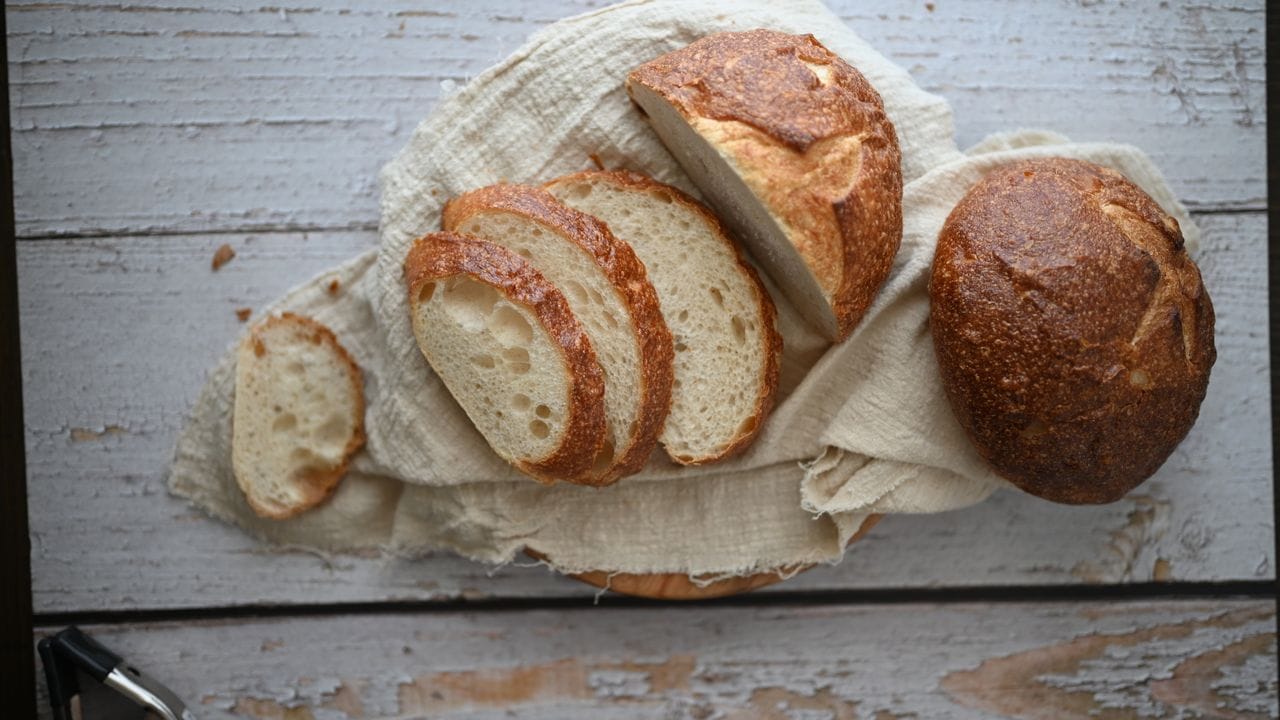
At its core, bread is vegan. The classic four-ingredient loaf, flour, water, yeast, salt, has no animal products in it. Sourdough?
Vegan. A basic baguette? Vegan.
Most artisan loaves from a bakery with five ingredients on the card? Almost certainly vegan.
The trouble starts when you move into enriched breads. "Enriched" is the word bakers use for adding fat, eggs, or dairy to make a dough richer and softer. Useful word to know.
The moment you see it on a sign or a bag, flip the thing over.
The non-vegan offenders
 Photo: Nicola Barts / Pexels
Here's what to flag when you scan an ingredients list.
Milk and butter are the most common culprits. Lots of soft, pillowy loaves get their texture from one or both. Sometimes it's a small amount, tablespoons per loaf, but it's still there.
Eggs show up in brioche, challah, and enriched dinner rolls. They add color, richness, and that glossy top crust.
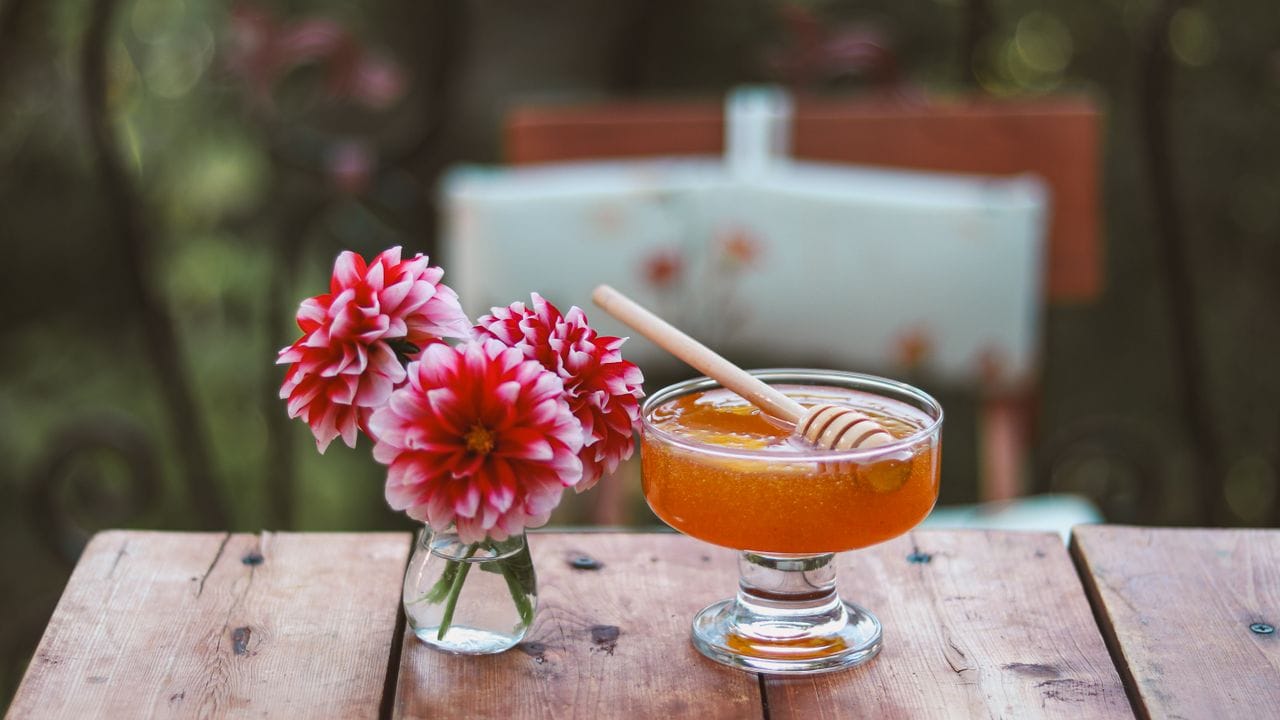
Honey sometimes appears in "honey wheat" or "honey oat" varieties. Not always a lot of it, but there it is. (If you want the full case against honey, we went deep on that here.)
Whey is a dairy byproduct you'll spot in mass-market sandwich breads. It's easy to miss because it sounds like a sports supplement, not food.
Mono- and diglycerides are emulsifiers that can be plant-derived or animal-derived. The label won't tell you which. Manufacturers use whatever's cheapest.
If you're trying to be thorough, a quick email to the company usually gets a straight answer, but most vegans don't bother.
L-cysteine deserves its own paragraph because it's genuinely weird. It's an amino acid used to condition dough and make it more elastic. The industrial source?
Usually hog hair or poultry feathers, and sometimes human hair, which I appreciate is a lot to absorb on a Thursday morning. It shows up as E920 on European labels and is most common in high-volume factory bread.
Synthetic L-cysteine exists and is vegan, but you have no way to know which version a product uses unless you ask.
Which breads to actually watch
A few specific ones that trip people up:
Brioche is built on butter and eggs. It's basically bread-adjacent cake. Always check, always assume it contains dairy unless a label says otherwise.
Challah is the braided Jewish bread with eggs in the dough and an egg wash on top for shine. Traditional challah is not vegan.
Naan from a restaurant almost always contains yogurt or butter, sometimes both. Homemade or packaged naan varies, so check. Some supermarket naan is fine, some isn't.
Milk bread (also called Japanese shokupan or Hokkaido milk bread) says it right in the name. Milk, often butter too. Not vegan.
Soft sandwich bread from major commercial brands is the sneakiest category. Some are fine. Some have whey, honey, or L-cysteine tucked in at the end of a long ingredients list.
It's worth checking your usual brand once.
Bagels and pita are almost always vegan. Bagels are traditionally just flour, water, yeast, salt, and malt. Pita is the same basic four.
Exceptions exist but they're rare.
Sourdough gets a clear pass
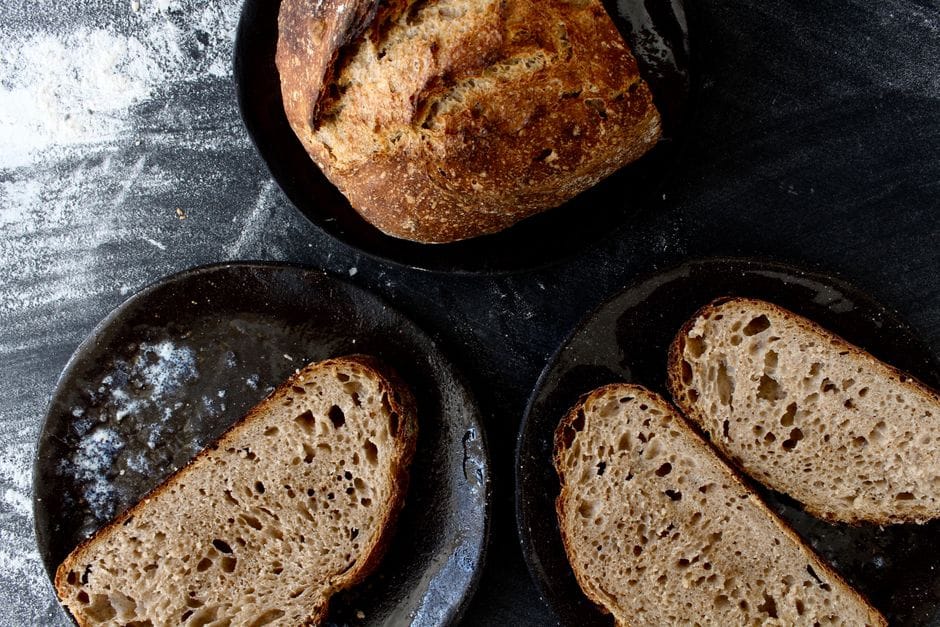 Photo: Jytte Elfferich / Pexels
I want to say this plainly because I see confusion about it. Sourdough is made with a starter culture of wild yeast and bacteria, nothing more. No animal products.
The fermentation is what makes it sour, not anything else. A plain sourdough loaf from a bakery is one of the most reliably vegan breads you can buy.
How to actually check
For packaged bread: read the ingredients, not just the "may contain" allergy statement. Look for milk, butter, eggs, honey, whey, and E920/L-cysteine specifically.
For bakery bread: just ask. A decent bakery knows what's in their dough. "Does this have any dairy or eggs?" is a totally normal question.
I've never had anyone look at me like I was strange for asking. (Okay, once. But it was a very long line.)
For restaurant bread: bread rolls and flatbreads in restaurants are frequent butter-basters. If it arrived gleaming, it probably got a brush of butter right out of the oven. Worth asking, especially with naan and dinner rolls.
The Vegan Society has good resources on navigating dairy in packaged foods if you want a broader framework, but for bread specifically, the above list covers about 95% of what you'll encounter.
The short version
Plain, crusty, artisan bread: almost certainly fine. Soft, sweet, enriched loaves: check the label. Sourdough, baguettes, pita, bagels: you're good.
Brioche, challah, naan, milk bread: look before you eat.
Bread was never something you had to give up. It just takes about 30 seconds of label-reading to figure out which ones are yours. That's a much better deal than I thought I was getting on day one.
If you're building out your is-it-vegan checklist, the dairy questions in bread are usually the same ones that come up with crackers, pasta, and cereals. Same logic applies everywhere.
Frequently asked questions
Is bread vegan?+
Most basic bread is vegan: flour, water, yeast, and salt are all plant-derived. The ones to watch are enriched loaves like brioche, challah, naan, and some soft sandwich breads, which often contain butter, eggs, or milk.
Is sourdough vegan?+
Yes. Traditional sourdough is just flour, water, and wild yeast cultures. No animal products unless an enriched version specifically adds them, which most don't.
What bread ingredients are not vegan?+
Milk, butter, eggs, honey, whey, and two sneaky additives: mono- and diglycerides (sometimes animal-derived) and L-cysteine (a dough conditioner often made from hog hair or poultry feathers).
Is L-cysteine vegan?+
Not usually. It's a dough conditioner listed as E920 on UK labels. It's most commonly sourced from hog hair or poultry feathers, though synthetic versions exist. You'll mostly find it in mass-market sandwich bread.
Written by
VeganDigest Editorial is the small independent team that researches and fact-checks this site. We are not doctors or dietitians. For every is-it-vegan verdict we read the product's current ingredient list and manufacturer information, and for anything health-related we report guidance from recognized bodies such as the NHS, the Vegan Society, and the Academy of Nutrition and Dietetics rather than offering medical advice. Every page shows the date it was last verified, and our full process is on the How We Verify page.
Comments