Is Chocolate Vegan? Dark vs Milk, Dairy Tricks, and What to Actually Buy
In this guide6
Short answer? Dark chocolate is usually vegan; milk and white chocolate are not. Cocoa itself is plant-based, so the whole question comes down to whether dairy snuck in. With dark chocolate, always check the label.
I grabbed a bar of 70% dark chocolate at the checkout line last winter, sure it was fine, and only looked at the label when I was already halfway through it. Milk fat. Right there, third ingredient.
I was annoyed at the bar and also at myself.
That moment sent me down a longer rabbit hole than I expected. Chocolate is one of those foods that feels obviously plant-based, and then you look closer and it gets complicated fast. Here is what I actually learned.
Cocoa itself is completely vegan
Start here, because it matters. Cacao beans are seeds from the Theobroma cacao tree. Everything that comes from those beans directly: cocoa mass, cocoa solids, cocoa powder, cocoa butter, all of it is plant-derived.
Zero animal involvement.
Cocoa butter confuses a lot of people because of the word "butter." It is just the natural fat inside the cacao bean. Nothing to do with dairy.
This is important because cocoa butter shows up in basically every chocolate product, including the non-vegan ones, and people sometimes assume the butter means it is not vegan. It does not.
Milk chocolate: not vegan, full stop
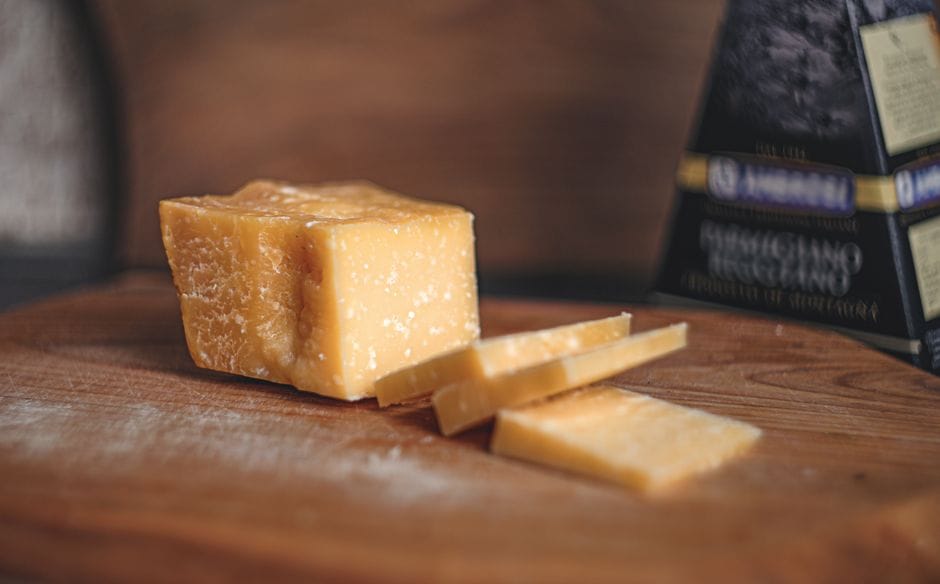
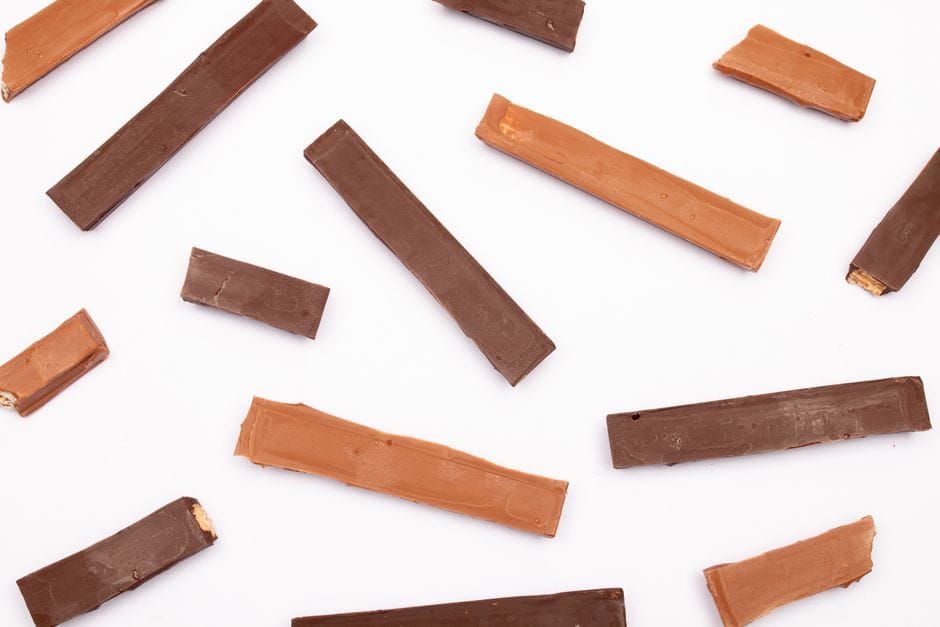 Photo: Tamanna Rumee / Pexels
Milk chocolate contains milk. Milk solids, milk powder, sometimes listed as whey or casein. There is no version of conventional milk chocolate that is vegan.
This includes most mainstream chocolate bars, most hot chocolate mixes, most chocolate chips sold at grocery stores, and almost every chocolate-covered candy you will find.
White chocolate is also not vegan. It has no cocoa solids at all, just cocoa butter, sugar, and milk, so it sits even further from vegan territory.
Dark chocolate: usually vegan, but check the label
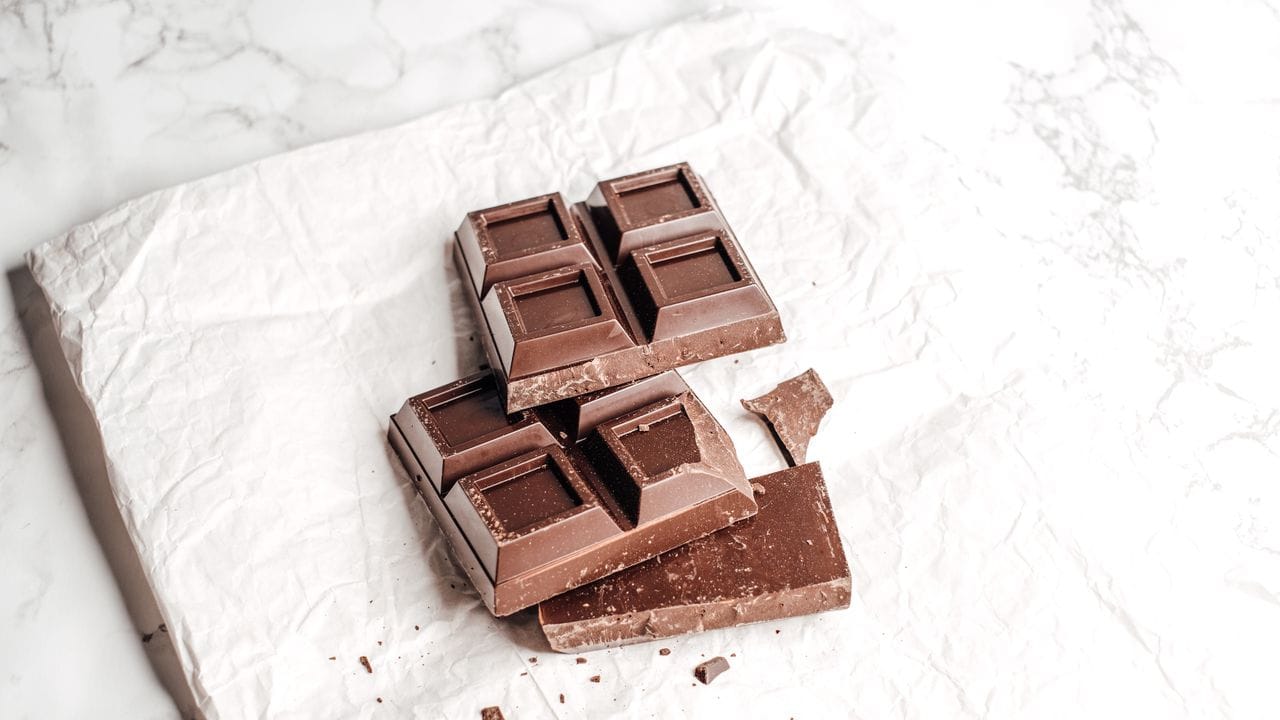
Dark chocolate is where it gets genuinely interesting. Pure dark chocolate, made from cocoa mass, cocoa butter, sugar, and an emulsifier, is vegan. The problem is that "dark chocolate" is not a regulated term the way you might hope.
Plenty of bars labeled dark chocolate, even ones at 60%, 70%, 85%, still sneak in milk fat or milk solids.
Read the ingredients. Not the front of the package. The actual list.
If you see milk, milk fat, butter oil, whey, casein, or cream, that bar is not vegan. If the list is cocoa mass, sugar, cocoa butter, soy lecithin, and maybe vanilla, you are fine.
Soy lecithin, by the way, is an emulsifier made from soybeans. It is vegan.
Cross-contamination is real but not the dealbreaker people think
 Photo: Skyler Ewing / Pexels
"May contain milk" or "produced in a facility that also processes dairy" shows up on a lot of dark chocolate bars, including legitimately vegan ones. This is a precautionary allergen statement, not an ingredients declaration.
It means the chocolate was made on equipment that also runs dairy products through it at some point. There may be trace amounts of milk protein in the final product, or there may not. The company is legally covering themselves in case of allergen reactions.
For most vegans, this falls into a personal judgment call. If you are avoiding animal products for ethical reasons, shared equipment is generally considered acceptable. If you are also allergic to dairy, you would skip those bars.
Our is-it-vegan guides walk through how to think about these gray areas in general.
The bone char situation, if you want to go deeper
Some refined cane sugar is processed using bone char, which is exactly what it sounds like: charred animal bones used as a filter to whiten the sugar. It does not end up in the final product, but it is part of the processing chain.
Most vegans treat this as a deeper-level concern rather than a reason to avoid all chocolate. Organic sugar and beet sugar are not processed this way. Some chocolate brands specifically use unrefined or certified vegan sugar.
If this matters to you, look for brands that name their sugar source or hold a vegan certification.
What to actually buy
Look for bars with a vegan label or dairy-free label on the front. Check the ingredients for the short list: cocoa mass, cocoa butter, sugar, soy lecithin. Brands that make explicitly vegan chocolate will often say so, because it is a selling point for them.
Specialty chocolate brands and health food stores tend to have the clearest options. Supermarket own-brand dark chocolate is worth checking because some of them are accidentally vegan, with short ingredient lists and no added milk.
And honestly, 85% dark chocolate with nothing added is usually both vegan and the best chocolate anyway. Hot take: once you get used to it, milk chocolate tastes like sugar with a memory of cocoa. But that is a separate argument.
Frequently asked questions
Is dark chocolate always vegan?+
Not always. Many dark chocolate bars still contain milk fat, milk solids, whey, or casein, even ones labeled 70% or higher. You need to read the ingredients every time. Look for bars that specifically say 'dairy-free' or list only cocoa mass, cocoa butter, sugar, and an emulsifier like soy lecithin.
Is cocoa butter dairy?+
No. Cocoa butter is a fat pressed from cacao beans, not from animal milk. The word 'butter' refers to its consistency, not its origin. It is completely plant-based and shows up in both vegan dark chocolate and conventional milk chocolate.
What does 'may contain milk' mean for vegans?+
It is a precautionary allergen warning, not a confirmed ingredient. It means the product is made on shared equipment with dairy products. Most vegans treat this as a personal judgment call rather than a hard disqualification. If you are also avoiding dairy for allergy reasons, you would want to skip those bars.
Is white chocolate vegan?+
Standard white chocolate is not vegan. It contains milk solids or milk powder as a core ingredient. There are dairy-free white chocolate alternatives made with coconut milk or oat milk, and those are worth looking for in health food stores.
Written by
VeganDigest Editorial is the small independent team that researches and fact-checks this site. We are not doctors or dietitians. For every is-it-vegan verdict we read the product's current ingredient list and manufacturer information, and for anything health-related we report guidance from recognized bodies such as the NHS, the Vegan Society, and the Academy of Nutrition and Dietetics rather than offering medical advice. Every page shows the date it was last verified, and our full process is on the How We Verify page.

Comments