How to Make Oat Milk at Home (Without the Slime)

- Nut-free
- Soy-free
- Oil-free
In this guide6
My first batch of homemade oat milk looked like wallpaper paste. I blended it for a solid two minutes because I figured more blending meant creamier milk, strained it proudly into a jar, and then watched it turn into something gelatinous by morning.
It poured like a thick roux. I used it in porridge because I refused to waste it, and honestly, it was fine in porridge. But it was not milk.
I've since made oat milk about fifty times and I've nailed down exactly where it goes wrong. Jump to recipe if you just want the method, but the why is genuinely useful here.
The actual reason homemade oat milk goes slimy
Oats are packed with beta-glucan, a soluble fiber that turns into a sticky gel when it meets water and heat or agitation. Your blender creates both. The longer you blend, the more starch you liberate, and oat starch in water is not your friend.
Two things make this worse: warm water (activates the starch faster) and squeezing the nut milk bag (forces the starch slurry through the mesh). Both feel like the right thing to do. Neither is.
The fix is almost insultingly simple. Blend for 30 to 45 seconds with cold water. Stop.
Strain without squeezing. That's it. The window between "blended long enough to be creamy" and "blended long enough to be slime" is maybe thirty seconds.
Set a timer.
The recipe (the short version)
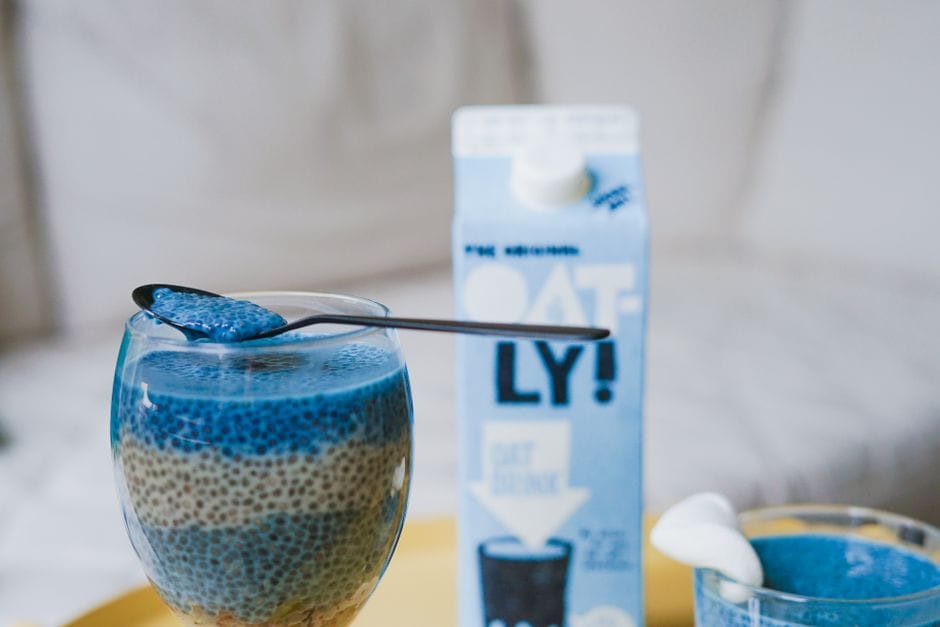 Photo: Toa Heftiba Şinca / Pexels
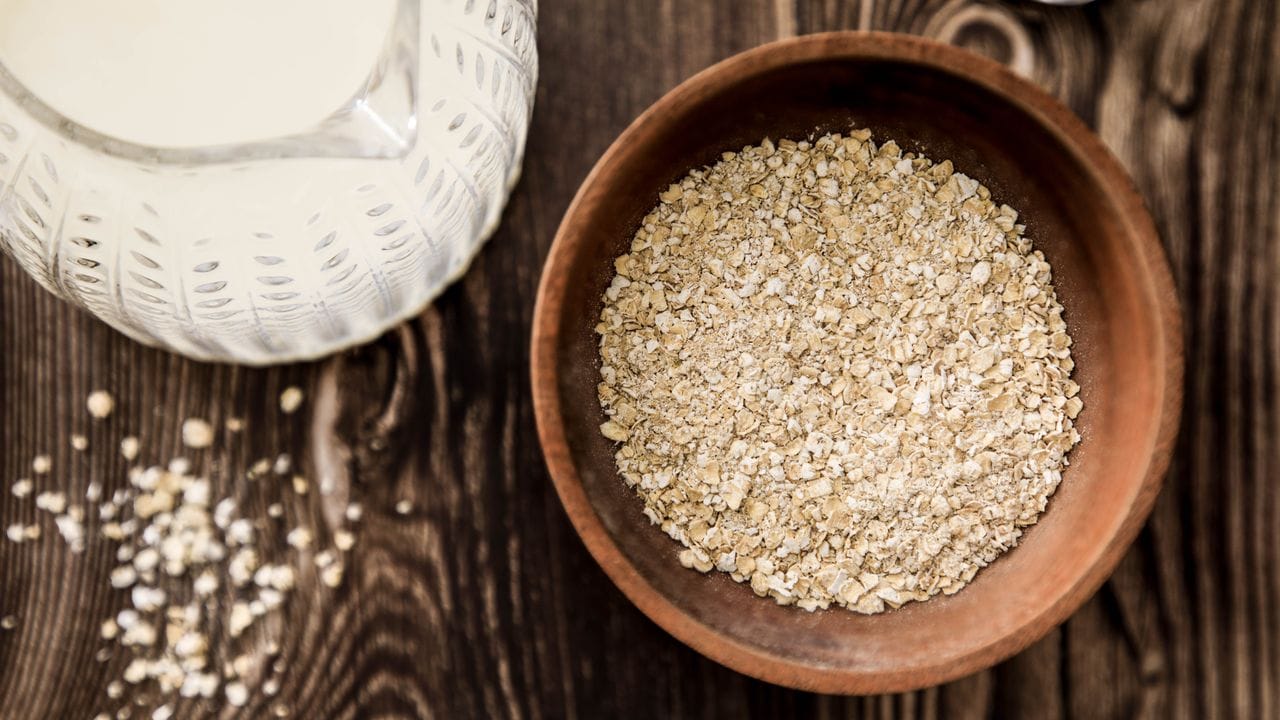
One cup of rolled oats. Four cups of cold water. A pinch of salt.
Blend 35 seconds. Strain without squeezing. Done.
If you want it slightly sweet, add a pitted Medjool date before blending. If you want a hint of vanilla, add half a teaspoon. Both are optional. Unsweetened and plain is what I make most weeks because it's the most versatile.
One thing that surprises people: don't soak the oats first. Every smoothie recipe ever written tells you to soak things overnight, so it feels wrong to skip it. Here, soaking starts breaking down the starches before you've even touched the blender.
You'll end up with thicker, gummier milk. Use dry oats straight from the bag.
Why it splits in your coffee
This one stings because a flat white is exactly why most people switch to oat milk in the first place. The honest answer is that homemade oat milk just wasn't built for coffee.
Coffee is acidic. Heat makes starch seize up. Without stabilizers like sunflower lecithin or guar gum, the homemade stuff will curdle or separate as soon as it hits a hot, acidic environment.
It's not bad milk. It's just chemistry.
Some people swear by adding the cold oat milk to the cup before the espresso goes in, which softens the temperature shock. I've tried it. It helps a little.
If coffee is your main use case, I'd honestly recommend a barista-edition oat milk from the store and save the homemade stuff for smoothies, cereal, and baking.
When store-bought is actually worth it
 Photo: Towfiqu barbhuiya / Pexels
Hot take: store-bought oat milk is usually better for cooking applications that need stability.
For a cream sauce, for anything that gets simmered or heated for a while, the commercial emulsifiers actually do useful work. Homemade milk can get thick and goopy in a hot pan. It's still edible but it's not always elegant.
Where homemade wins: cold cereal, overnight oats, smoothies, pancake batter, and just drinking a glass of something cold. The flavor is noticeably better when it's simple and fresh. Less cardboard-y, more like actual oats.
If you're making a creamy pasta sauce or something that needs to hold at 200 degrees, check out the how-to guides for vegan cream substitutions, because oat milk (homemade or not) has some quirks when you push it with heat.
What to do with the leftover pulp
The strained oat solids are basically wet rolled oats with most of the starch pulled out. They're not glamorous. But they work in overnight oat jars, blended into smoothies where no one will notice, or stirred into cookie dough or muffin batter for a tiny fiber bump.
I keep a small container in the fridge for the week. It's not a life-changing ingredient but it feels less wasteful than composting perfectly fine oat matter.
Cost and storage
Four cups of oat milk costs somewhere between fifteen and twenty-five cents to make, depending on what you pay for oats. It keeps four to five days refrigerated. It will separate in the jar, which is normal and not a sign anything went wrong.
Shake it before you pour.
The one real downside is the shelf life. Store-bought has a few weeks. Homemade has a few days.
If you're a heavy oat milk user, you'll probably end up doing a small batch twice a week rather than one giant batch that deteriorates before you finish it.
For what it costs, though, it's a reasonable swap for most uses. Especially if you already buy oats in bulk for oatmeal, you essentially have the ingredients sitting in your pantry. The learning curve is short.
The main lesson is to stop blending sooner than you think you should.
If you liked this, the substitutes guide covers a lot more swaps for dairy and pantry staples that trip people up.
The recipe
Homemade Oat Milk
Prep
5 min
Total
5 min
Makes
4 cups (about 1 liter)
Ingredients
- 1 cup (90 g) rolled oats (old-fashioned, not instant)
- 4 cups (950 ml) cold water (cold is important)
- Pinch of fine sea salt
- 1 Medjool date, pitted (optional, for a touch of sweetness)
- 1/2 tsp vanilla extract (optional)
Instructions
- 1 Add the oats, cold water, salt, and any optional add-ins to a blender.
- 2 Blend for exactly 30 to 45 seconds. Set a timer. Stop when it looks creamy and white.
- 3 Pour through a nut milk bag, fine mesh cheesecloth, or a very fine strainer over a large bowl or pitcher.
- 4 Let it drip. Do not squeeze the bag. Squeezing forces starch through and turns your milk into paste.
- 5 Pour the strained milk into a sealed jar or bottle and refrigerate immediately.
- 6 Shake well before each use.
Notes
- ·Cold water matters. Warm or room-temperature water activates starch faster during blending. Cold keeps it in check.
- ·Don't soak the oats first. Pre-soaking breaks down starches before you even start and makes the slime problem worse.
- ·If it still feels gummy after straining, you can dilute with a splash more cold water.
- ·The leftover oat pulp can go into overnight oats, smoothies, or baked goods. Don't throw it out.
Calories
50 per cup (unsweetened)
Protein
1 g
Fat
1 g
Carbs
9 g
Frequently asked questions
Why does my homemade oat milk turn out slimy?+
Over-blending is almost always the culprit. The longer you run the blender, the more starch you break down into the liquid, and starch plus water equals slime. Blend for 30-45 seconds max, use cold water (not warm), and never squeeze the nut milk bag or cheesecloth. Squeezing forces starch through the mesh.
Why does homemade oat milk split in hot coffee?+
Homemade oat milk has no stabilizers or emulsifiers, so the starch and water separate when they hit the acidity and heat of coffee. Store-bought versions use additives like sunflower lecithin or guar gum to prevent this. If you want oat milk in coffee, either buy a barista-edition oat milk or try adding your homemade version to the cup before the coffee, which softens the shock.
How long does homemade oat milk keep?+
Four to five days in the fridge in a sealed jar or bottle. Shake before every use because it will settle. No preservatives means shorter shelf life, so make smaller batches more often rather than a huge batch that sits.
Written by
VeganDigest Editorial is the small independent team that researches and fact-checks this site. We are not doctors or dietitians. For every is-it-vegan verdict we read the product's current ingredient list and manufacturer information, and for anything health-related we report guidance from recognized bodies such as the NHS, the Vegan Society, and the Academy of Nutrition and Dietetics rather than offering medical advice. Every page shows the date it was last verified, and our full process is on the How We Verify page.
Comments