Are Oreos Vegan? The Accidentally Vegan Debate, Explained
In this guide5
Short answer? Yes, Oreos are vegan by their ingredients. There is no dairy in the cookie or the creme filling. The one caveat: the maker states they are made on shared equipment with milk, so they are not certified vegan.
I ate an entire sleeve of Oreos in one sitting in college, dunking them into oat milk like a professional, and felt completely virtuous about it. Years later, someone in a vegan Facebook group told me I had been eating non-vegan cookies the whole time.
I told them to calm down. They did not.
The Oreo debate is one of those conversations that will never fully die because it sits right at the intersection of label reading, corporate messaging, and what it actually means to be vegan in a world built for non-vegans. Let me just tell you what I know, and you can decide.
(Just want the verdict at a glance? See the Oreos entry in our Is It Vegan database.)
The ingredients look totally fine
Pick up a classic blue package and read the back. You will find: unbleached enriched flour, sugar, palm oil, cocoa processed with alkali, high fructose corn syrup, leavening agents, soy lecithin, and chocolate. That is it.
No milk. No butter. No whey.
No casein. Nothing that came from an animal, at least not directly.
The creme filling is where people expect the problem to be, because "cream" implies dairy. But the filling is just sugar and vegetable shortening, whipped together. Nabisco stopped using lard back in the early 1990s, and that switch is genuinely what landed Oreos on the accidentally vegan list.
Before that swap, they were not even a conversation.
So on a pure ingredient-by-ingredient read: vegan.
Then Nabisco opens its mouth
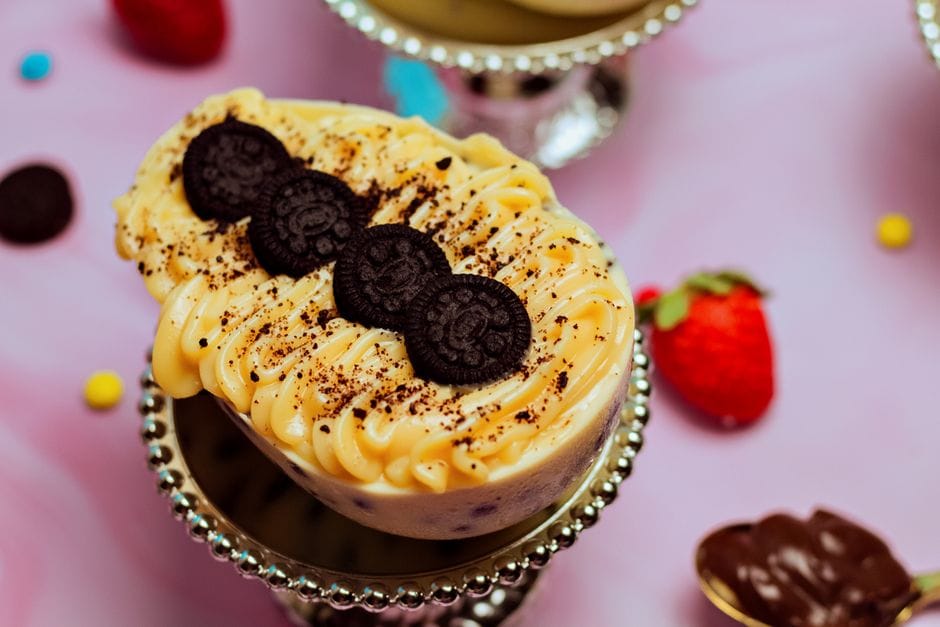 Photo: Lucas Andrade / Pexels
Here is where it gets annoying. If you email Nabisco or check their FAQ, they will tell you, clearly, that Oreos are not suitable for people who are allergic to milk or following a vegan diet. The reason: the cookies are made on the same equipment as products that do contain milk.
The "may contain milk" warning on the package is not decoration. It is a real cross-contamination advisory. Trace amounts of dairy could theoretically end up in your Oreo.
Nabisco is not claiming it happens every time, or even often. They are covering their bases legally and practically, because the same factory line that runs Oreos also handles other baked goods with actual dairy in them.
So the brand itself says: not vegan. Make of that what you will.
The accidentally vegan category and why it matters
"Accidentally vegan" describes products with no intentionally added animal ingredients, made by companies that did not set out to make something vegan. Oreos fit the definition perfectly. So do a bunch of other snacks you probably already eat.
The Vegan Society defines veganism as a practice that seeks to exclude animal exploitation "as far as is possible and practicable." That word "practicable" does a lot of work.
If you applied the factory cross-contamination standard to every food, you would eliminate most packaged snacks from vegan diets entirely, because shared equipment is the norm, not the exception. Most vegans treat cross-contamination warnings as a personal judgment call, not a hard line.
If you are avoiding animal products for ethical reasons and you eat Oreos, you are not somehow failing. You are navigating an industrial food system that was not designed with vegans in mind. That is just reality.
(If you are avoiding dairy due to a milk allergy, that is a different situation entirely, and in that case: skip the Oreos.)
The palm oil issue is the one I actually care about
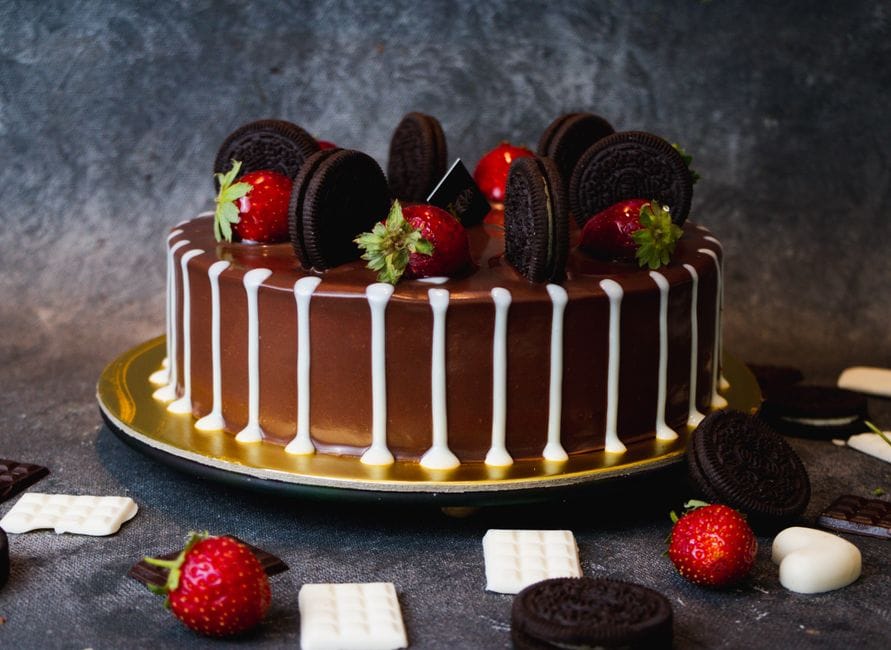 Photo: Rahib Yaqubov / Pexels
This is the part of the Oreo conversation that I think gets too little airtime. The cross-contamination thing is kind of a technicality. Palm oil is a real ethical question.
Oreos contain palm oil. Palm oil production has been directly linked to massive deforestation and habitat destruction across Southeast Asia, particularly in Indonesia and Malaysia. Orangutans, Sumatran tigers, and pygmy elephants all lose habitat when palm plantations expand.
The orangutan situation in particular is bad. Critically endangered bad.
Palm oil is technically plant-derived, so it clears the "vegan ingredients" bar. But veganism, at its core, is about reducing harm to animals and the environment. Palm oil does not sit well with that framing.
A lot of vegans choose to avoid it for exactly this reason, while others argue that individual consumer choices don't move the needle on industrial agriculture at scale. Both positions are held by thoughtful people.
I personally side-eye the palm oil more than the factory milk warning. But I also recognize that avoiding palm oil means eliminating a shocking percentage of packaged food, so I try to minimize rather than eliminate, and I do not lecture anyone about it at parties.
So are they vegan or not
Here is my take: for most vegans practicing ethical veganism in a practical, real-world way, classic Oreos are fine. The ingredients are plant-based, the cross-contamination warning is a standard precautionary label, and Nabisco's "not suitable for vegans" statement is mainly aimed at people with milk allergies who need to take that warning seriously.
The palm oil concern is more substantive if environmental impact is part of your veganism, and that is worth sitting with.
If you want a deeper look at how we evaluate processed food as vegan or not, that question comes up constantly, not just with Oreos. The same cross-contamination debate applies to chocolate and a lot of other things you might assume are simple.
The Oreos are probably fine. Eat them, or do not. But at least now you know exactly what you are deciding.
Frequently asked questions
Are Oreos technically vegan?+
The ingredients list contains no animal products, which is why Oreos are called 'accidentally vegan.' However, Nabisco states on their website that Oreos are not suitable for vegans because they are made in facilities that handle milk. Whether that matters to you is a personal call.
What does 'may contain milk' mean on Oreo packaging?+
It is a precautionary cross-contamination warning, not a confirmed ingredient. It means the cookies are made on shared equipment where dairy products are also processed. There is no milk deliberately added to classic Oreos.
Is the Oreo cream filling vegan?+
Yes, despite what its name suggests, the classic creme filling contains no dairy. It is made from sugar and vegetable shortening. Nabisco switched from lard to vegetable oil in the 1990s, which is actually what put Oreos on the accidentally vegan radar in the first place.
Do all Oreo flavors count as vegan?+
No. Classic, Golden, and a handful of other flavors have no animal-derived ingredients, but some varieties like Fudge-Covered Oreos and Cakesters contain dairy. Always check the label on anything beyond the classic blue package.
Written by
VeganDigest Editorial is the small independent team that researches and fact-checks this site. We are not doctors or dietitians. For every is-it-vegan verdict we read the product's current ingredient list and manufacturer information, and for anything health-related we report guidance from recognized bodies such as the NHS, the Vegan Society, and the Academy of Nutrition and Dietetics rather than offering medical advice. Every page shows the date it was last verified, and our full process is on the How We Verify page.
Comments